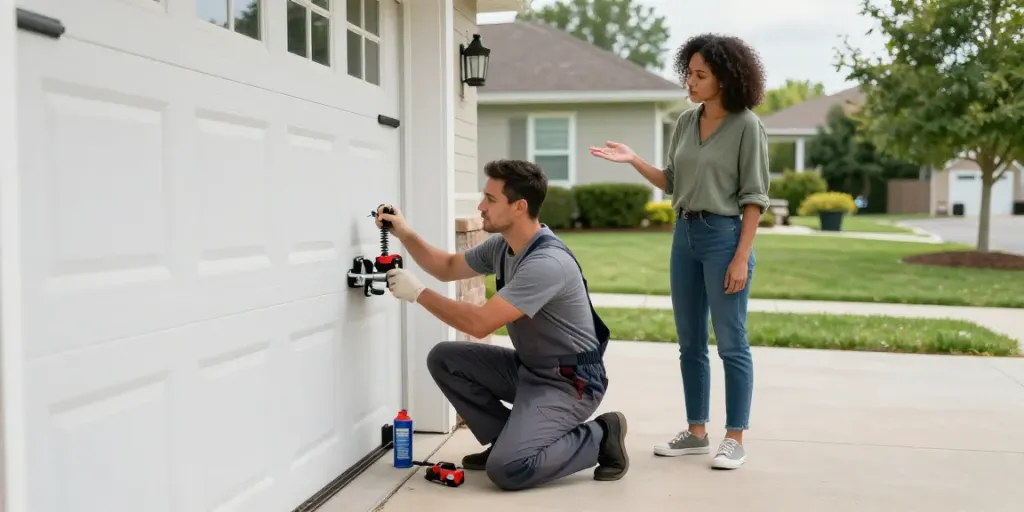
Understanding Garage Door Mechanisms and Common Issues
Garage doors are a crucial part of our daily lives, providing security and convenience. However, like any mechanical system, they can experience issues, leading to frustrating situations such as a garage door stuck. Understanding how these systems function and identifying potential problems can help homeowners take proactive measures to maintain their garage doors.
What Causes a Garage Door to Get Stuck?
Several factors can contribute to a garage door becoming stuck. Common causes include:
- Obstructions: Debris or objects blocking the door's path can prevent it from moving.
- Misaligned Tracks: If the tracks that guide your garage door are misaligned, it can lead to the door hanging unevenly or becoming stuck.
- Broken Springs: A snapped or weakened spring can cause significant issues, making it difficult for the door to operate smoothly.
- Faulty Sensors: Garage doors equipped with safety sensors can malfunction, causing the door to stop moving or reverse unexpectedly.
- Worn Rollers: Over time, rollers can wear down, leading to improper movement and potential sticking.
Identifying Signs of Malfunction in Your Garage Door
Recognizing the signs of a malfunctioning garage door can save you from more significant repair expenses down the line. Common indicators include:
- The door makes unusual noises while opening or closing.
- The door moves unevenly, or you notice it hanging crookedly.
- It struggles to open or close fully, often stopping halfway.
- You see visible wear on springs or cables.
The Role of Springs and Cables in Garage Door Functionality
Springs and cables are critical components in a garage door system. Springs provide the necessary tension to lift and lower the door, while cables transmit this force. If either component fails, the entire system can be compromised. Regular inspections and maintenance of these parts are essential to ensuring your garage door operates smoothly.
Emergency Repairs: What to Do When Your Garage Door is Stuck
Encountering a stuck garage door can be frustrating and stressful. The first step is to ensure safety by assessing the situation. Here are some immediate steps to take:
Immediate Safety Steps to Take
If your garage door is stuck, make sure no one is in the vicinity of the door's path. Disconnect the power to the garage door opener to prevent accidents while troubleshooting the problem. Always ensure children and pets are kept away from the garage during this time.
Temporary Solutions for a Stuck Garage Door
While waiting for professional assistance, there are temporary solutions you can explore:
- Manual Override: Most garage doors have a manual release system that allows you to operate the door manually. Check your user manual for instructions on how to disengage the opener.
- Inspect for Obstructions: Look for anything blocking the door's tracks. Clearing any debris can sometimes resolve the issue immediately.
When to Call a Professional for Assistance
It's advisable to call a professional when:
- The problem persists despite your troubleshooting efforts.
- You notice significant wear or damage to components like springs or cables.
- You are unsure how to safely proceed with repairs.
Preventative Maintenance for Your Garage Door
Keeping your garage door in optimal condition requires regular maintenance. Below are some essential tips for preventative care:
Routine Checks to Avoid Problems
Regularly inspect your garage door for signs of wear, including:
- Checking cables for fraying or wear.
- Assessing springs for tension and visible damage.
- Ensuring tracks are clear and straight.
Lubrication Techniques for Smooth Operation
Proper lubrication is vital for the smooth operation of your garage door:
- Use a silicone-based lubricant on the door's moving parts, including rollers and hinges.
- Avoid using WD-40, as it can attract dirt and grime.
Adjusting Settings for Optimal Garage Door Performance
Regular adjustment of the garage door opener's settings ensures it operates effectively. This includes:
- Tuning the force settings to prevent the door from reversing unnecessarily.
- Testing the safety sensors to ensure they are functioning correctly.
Understanding Garage Door Components: Parts that Affect Functionality
A comprehensive understanding of garage door components can aid in identifying issues and making informed repair decisions.
Different Types of Garage Door Springs and Their Functions
There are two primary types of garage door springs: torsion springs and extension springs. Torsion springs are mounted above the door and provide lifting force, while extension springs are located along the sides of the tracks. Understanding these mechanisms helps in diagnosing issues when the door becomes stuck.
How Tracks and Rollers Impact Garage Door Movement
The tracks and rollers are essential for the smooth operation of your garage door. Any misalignment or damage can lead to the door getting stuck. Regular cleaning and inspection of these parts are necessary to prevent operational issues.
Recognizing Worn or Damaged Parts Before They Cause Issues
By keeping an eye on the condition of your garage door components, you can identify potential problems before they escalate:
- Look out for signs of rust or corrosion on metal parts.
- Be alert to unusual noises that may indicate wear.
Future Trends in Garage Door Technology and Repair Services
The garage door industry continues to evolve with technological advancements that enhance functionality, security, and ease of use.
Innovative Technologies for Smart Garage Door Systems
Smart garage door systems featuring Wi-Fi capability are increasingly popular. These allow homeowners to control and monitor their garage doors remotely, offering convenience and security enhancements.
Predicted Changes in Garage Door Repair Services by 2026
As technology advances, the garage door repair industry is expected to utilize AI-driven diagnostics to provide faster and more accurate assessments, enabling technicians to determine problems more efficiently.
Eco-Friendly Materials and Practices in Garage Door Manufacturing
Future garage doors may be manufactured using eco-friendly materials, promoting sustainability in home construction and renovation. This shift aligns with a broader trend of environmental consideration across various industries.
What should I do if my garage door is stuck?
Begin by ensuring safety and checking for obstructions. If you cannot resolve the issue, consider reaching out to a professional.
How can I manually open a stuck garage door?
Most garage doors have a manual release that can be used to disengage the opener. Check your user manual for guidance on this process.
What are the common causes for a garage door to get stuck?
Common causes include obstructions, misaligned tracks, broken springs, and worn rollers. Regular inspections can help prevent these issues.
When should I seek professional help for a stuck garage door?
If basic troubleshooting does not resolve the issue, or if you notice significant damage, it is best to contact a professional for assistance.
Can I fix a garage door on my own?
While minor issues can often be resolved with basic tools and safety precautions, it’s advisable to seek professional help for more complicated problems, especially those involving springs and heavy components.