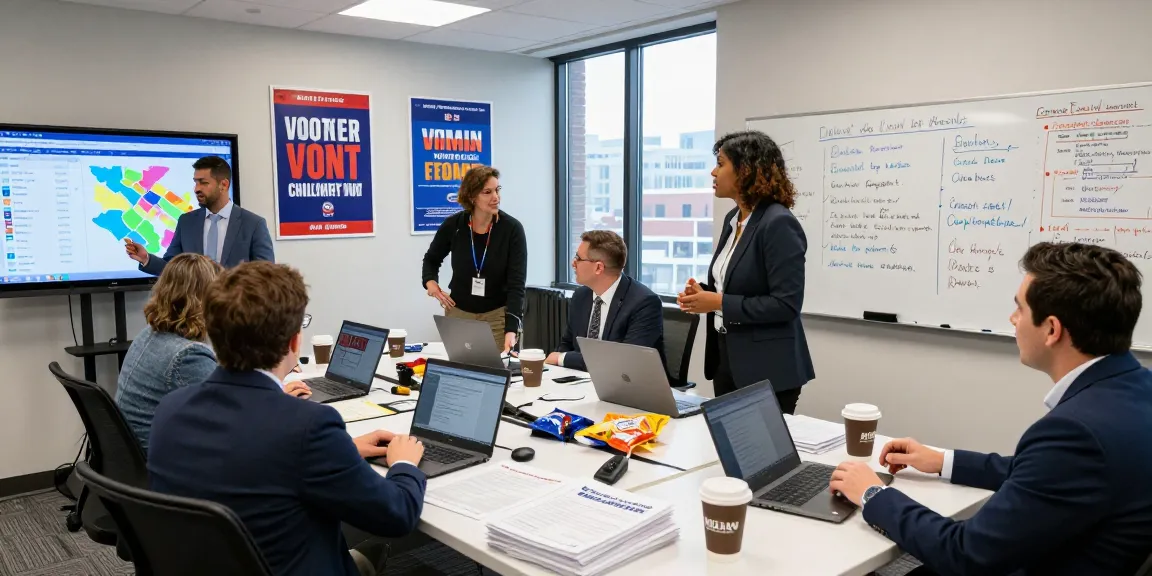
The Essentials of Corporate Event Planning in Las Vegas
Las Vegas, known for its vibrant entertainment scene, lavish hotels, and exceptional amenities, acts as an ideal backdrop for corporate events. Corporate event planning in Las Vegas encompasses more than just logistics; it involves creating unforgettable experiences that enhance business relationships and motivate teams. With a well-structured approach, organizations can execute events that reflect their brand values while meeting business objectives efficiently. When exploring options, Corporate Event Planning Las Vegas provides comprehensive insights into how businesses can optimize their events in this dynamic city.
Understanding the Corporate Event Planning Landscape
Navigating the corporate event planning landscape in Las Vegas requires an understanding of the unique features that differentiate it from other locations. These include the city's extensive range of venues, accessibility to world-class entertainment, and diverse dining options. Corporate events can range from small team-building retreats to large-scale conferences, each requiring a tailored approach to achieve their specific goals. Additionally, effective planning involves collaboration with local suppliers to ensure compliance with safety regulations and standards that protect attendees.
Key Elements of Successful Corporate Events
A successful corporate event hinges on a few critical factors, including clear objectives, a well-defined audience, and attention to detail. First, setting specific outcomes—such as generating leads, enhancing employee engagement, or increasing brand awareness—provides direction throughout the planning process. The target audience must also be considered to tailor the content and format of the event for maximum impact. Crucially, logistical details like catering, audio-visual needs, and ground transportation must be meticulously organized to avoid last-minute mishaps that can affect the event's success.
Choosing the Right Venue in Las Vegas
Las Vegas offers a vast array of venues, from iconic hotels like the Bellagio to trendy rooftop spaces with breathtaking views of the Strip. The choice of venue impacts nearly every aspect of the event, including ambiance, accessibility, and audience experience. It's essential to assess capacity, availability of amenities, and location relative to attendee accommodations. Additionally, understanding the pricing structure associated with each venue allows for effective budget management, which is vital for maintaining profitability.
Integrating Entertainment into Corporate Events
Entertainment plays a pivotal role in creating memorable corporate events in Las Vegas. Incorporating unique entertainment options not only enhances the attendee experience but also helps attendees network in a relaxed environment. Selecting the right type of entertainment is crucial, as it should align with the event goals. For example, a formal awards dinner might benefit from live music, while a team-building event may be better suited for interactive entertainment that encourages participation.
Unique Entertainment Options for Las Vegas Gatherings
Las Vegas is home to some of the most extravagant entertainment options, ranging from classic shows to emerging acts. Businesses can choose from acclaimed performances like Cirque du Soleil to stand-up comedy or magician shows that can captivate an audience. For those looking for something different, themed events, such as murder mysteries or casino nights, can provide unique networking opportunities, blending fun with the business objective of relationship-building.
The Role of Live Performers and Experiences
Live performers can add significant value to corporate events. Engaging entertainers, such as headline artists or illusionists, can create lasting impressions on attendees while enhancing the event's professionalism. Moreover, incorporating experiential elements, like a photo booth or interactive display, fosters engagement and creates memorable moments for employees and clients alike. Selecting performers should align with the corporate brand image to maintain consistency and appeal to the desired audience.
Adventure and Team-building Activities for Corporate Retreats
Las Vegas provides numerous opportunities for adventure and team-building activities that can help strengthen workplace relationships in a fun environment. Activities such as escape rooms, helicopter tours of the Grand Canyon, or group cooking classes can create an engaging atmosphere while promoting teamwork. By participating in these unique experiences, team members can build camaraderie and improve communication skills, ultimately benefiting the workplace.
Maximizing Budget Efficiency
Budget management is crucial to the successful execution of any corporate event. Proper planning and cost control techniques can maximize the value of every dollar spent while ensuring high-quality outcomes. Understanding the financial implications of each aspect of the event will enable planners to allocate resources effectively, ensuring top-tier experiences without unnecessary expenses.
Understanding Costs and Pricing Strategies
Every element of corporate event planning is associated with costs that need to be tracked and managed. From venue rental to catering and entertainment, establishing a clear pricing strategy helps in monitoring expenditures. Implementing a budgeting template can assist in visualizing where funds are allocated, making it easier to adjust as the planning progresses. Additionally, having a contingency fund for unexpected expenses is wise.
Innovative Approaches to Cost Management
Cost management doesn't have to mean sacrificing quality. Innovative approaches to budgeting, such as leveraging technology for virtual components or negotiating package deals with providers, can create efficiencies that reduce overall expenditures. Utilizing early bird discounts for venues and services can also lead to significant savings, ensuring budgets are maintained without compromising the event's integrity.
Negotiating with Venues and Vendors for Better Deals
Negotiation is a critical skill in corporate event planning. Establishing relationships with venues and vendors can yield better rates and terms, thus maximizing budget efficiency. Understanding industry norms and pricing structures can empower planners during discussions. Being flexible with dates or event formats can often lead to perks or reduced pricing, driving value for the overall experience.
Effective Logistics and Coordination
The logistics involved in planning a corporate event can be substantial. From arranging travel and accommodations to ensuring reliable transportation and dining experiences, every logistical detail must be executed flawlessly to guarantee a smooth operation. Effective coordination among all parties involved is essential to ensure a seamless experience for attendees, contributing to the overall success of the event.
Managing Travel and Accommodation for Attendees
Corporate travel requires careful planning to manage flight details and accommodations effectively. Collaborating with a travel management company can streamline the booking process, providing access to competitive rates while ensuring compliance with company policies. Additionally, organizing shuttles or other forms of transportation for attendees can ease logistical challenges and enhance their experience from the onset of their trip.
Transportation Solutions for Corporate Events
Coordination of transportation is vital for ensuring event schedules run smoothly. Options can include arranging private shuttles, booking group transport, or setting up ride-sharing partnerships. Understanding attendee needs, such as airport pickup and drop-off, ensures that the experience is professional and meets expectations. Having a reliable transportation plan reduces stress for both attendees and organizers.
Managing Catering and Dining Experiences
Catering can significantly influence the atmosphere of corporate events. The dining experience should align with the overall theme while considering dietary restrictions and preferences. Opting for a customizable menu allows guests more choice and promotes inclusivity. Working with established catering services in Las Vegas can provide high-quality cuisine and exceptional service, thereby enhancing the overall attendee experience.
Measuring Success and Gathering Feedback
Measuring the success of corporate events is crucial for continuous improvement. Identifying key performance metrics and collecting attendee feedback will inform future planning decisions and techniques to enhance event outcomes. Evaluating aspects like attendance rates, engagement levels, and satisfaction scores allows organizations to track performance effectively.
Performance Metrics for Corporate Events
Establishing clear metrics for success can guide assessment efforts. Key indicators may include attendance numbers, participant engagement rates through activities, and post-event surveys to evaluate satisfaction. Both qualitative and quantitative data should be analyzed to provide a holistic view of event success, contributing to strategic planning and allocation of resources for future events.
Collecting Attendee Feedback for Future Planning
Attendee feedback forms the backbone of improving future corporate events. Utilizing surveys or informal discussions can identify areas for enhancement, as well as highlight event strengths. Anonymously soliciting feedback encourages honest responses, providing a clearer understanding of guest experiences. Implementing actionable recommendations derived from this feedback will elevate future events.
Adapting Strategies Based on Success Rates
Continuous improvement is vital in corporate event planning. Adapting strategies based on feedback and performance metrics allows planners to stay agile and respond swiftly to changing needs. Emphasizing a culture of learning and innovation enriches the corporate event landscape, fostering long-term relationships and loyalty.